Why Tangle Free Cargo Straps Make Securing Loads Less Frustrating
Anyone who has spent time securing a kayak to a roof rack or lashing down gear in a truck bed knows the feeling. You pull out a ratchet strap, and the webbing is a twisted mess. You spend the next ten minutes untangling it, often with cold fingers or in a hurry, and by the time you are ready to tie down the load, your patience is already gone. This is the reality that many outdoor enthusiasts, boat owners, and transport professionals face every day. The good news is that the design of cargo straps has been evolving, and the idea behind tangle free cargo straps is finally making that frustration a thing of the past.
The core problem with conventional ratchet straps is simple. The webbing is loose and floppy. When you store it, it folds over itself, and the loose end can slip back through the ratchet mechanism. The next time you pull it out, the strap is a bird's nest of twists and loops. You have to lay it flat, find the loose end, and carefully work out the tangles before you can even start securing your load. This adds time to every job, and if you are on a boat ramp or a busy loading dock, time is not something you have in abundance. The shift toward tangle free cargo straps addresses this mechanical problem at its root, and the results are noticeable from the first use.
What Makes a Cargo Strap Tangle Free
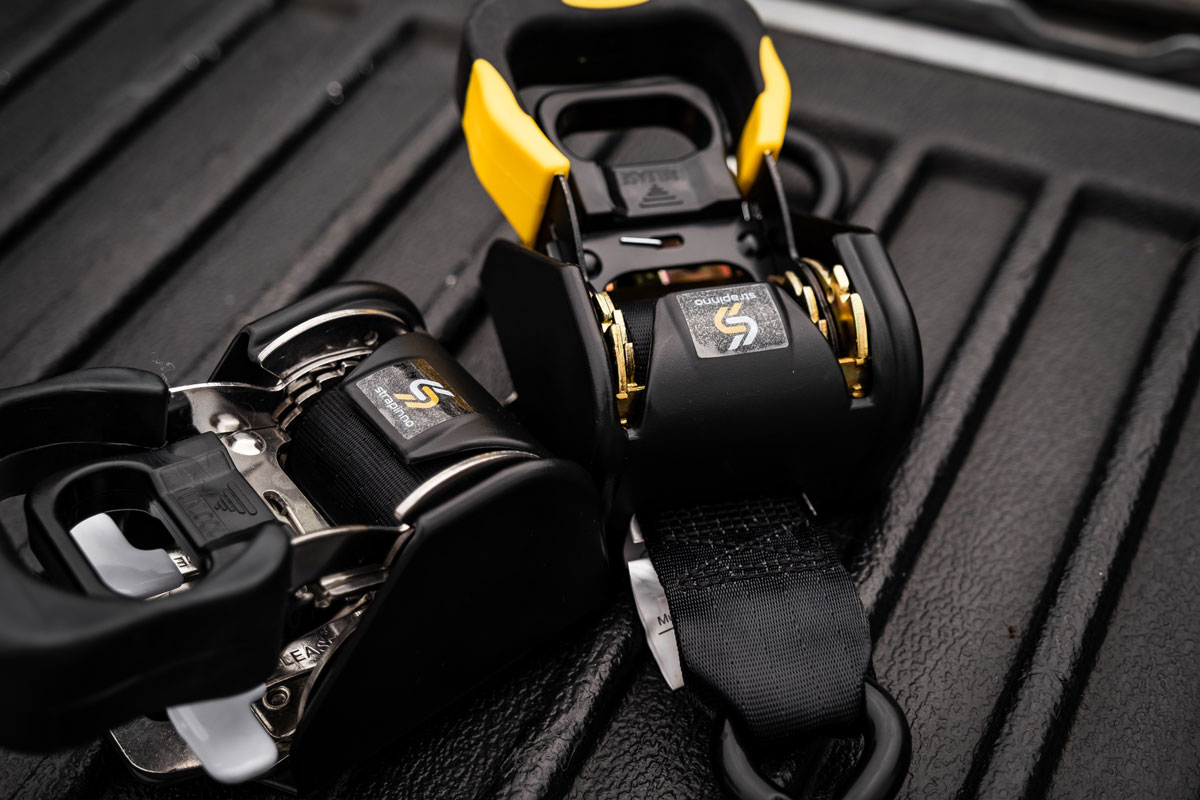
Not all tangle free claims are the same. Some manufacturers simply add a tighter weave to the webbing or a thicker edge, but that only reduces the problem rather than solving it. True tangle free design requires a change in how the strap is stored and deployed. The most effective solution involves a retractable mechanism built into the ratchet housing. When you release the tension on the strap, a spring or tensioner pulls the loose webbing back into the housing, keeping it taut and straight. This means the strap never has the chance to fold over itself or slip into a tangle. The webbing stays aligned, and the next time you pull it out, it comes out clean and ready to use.
Another approach uses a clever routing of the webbing through the ratchet so that the loose end is always captured. In some designs, the strap is threaded through a series of guides that prevent it from twisting as it is pulled in or out. The key is that the strap remains under a light tension even when not in use. That small amount of tension is enough to keep the webbing from forming loops that become tangles. For anyone who has ever fought with a strap that seemed to have a mind of its own, this is a genuine improvement.
Where Tangle Free Straps Shine
The practical value of tangle free cargo straps becomes obvious in a few common situations. Consider the person who loads a kayak onto a car every weekend. They pull the straps out of a storage bin, and the webbing is already straight. They thread it over the boat, click the ratchet, and tension it down in seconds. No untangling, no frustration, no wasted time. The same applies to someone securing a jet ski to a trailer after a day on the water. The straps are wet, the light is fading, and the last thing anyone wants is to fight with twisted webbing. A retractable or guided strap that stays tangle free makes the job faster and less stressful.
For transport professionals who run delivery routes, the savings add up. A driver who secures and releases loads multiple times per day can lose a surprising amount of time to untangling straps. Over a week, that time becomes measurable. Over a season, it is hours. Tangle free cargo straps eliminate that waste. They also reduce wear on the webbing. Tangling often leads to kinks and abrasion that shorten the life of the strap. Keeping the webbing straight and properly stored helps it last longer, which is a practical consideration for anyone who relies on their gear.
What to Look For in a Tangle Free Design
If you are considering switching to tangle free cargo straps, there are a few things to check. First, look at the mechanism that keeps the webbing retracted or aligned. Some designs rely on a simple spring that can wear out over time. Others use a more robust tension system with fewer moving parts. The housing should be durable enough to handle the environment you work in. For marine use, that means corrosion resistance. For outdoor or transport use, impact resistance matters. The webbing itself should be of good quality, with a smooth finish that does not fray easily.
Another factor is the ease of releasing the strap after it has been tensioned. Some tangle free mechanisms add a bit of complexity to the release, and you want to make sure that you can still quickly and easily loosen the strap when you need to. The best designs balance the tangle free feature with the core function of the strap: holding a load securely and releasing smoothly. If a strap is hard to release, it is not saving you time; it is creating a new problem.
The phrase tangle free cargo straps strapinno appears in discussions among people who have tested various brands and found that a well-engineered retractable system really does deliver on the promise. These users often note that the difference is most apparent when the straps are stored for a while and then pulled out for use. The webbing comes out straight, without the usual fight.

How Strap Design Affects Securement
Beyond the tangle free feature, the overall design of the strap affects how well it secures a load. The ratchet mechanism should provide smooth, even tensioning. A good ratchet lets you apply the right amount of force without over-tightening, which can damage gear or distort the load. The hooks or end fittings should be sturdy and sized to match the anchor points you use. For example, flat hooks work well on trailer tie-downs, while snap hooks are better for loops and rings. The webbing width and breaking strength should match the weight of the load. A strap that is too light for the job is a safety risk, while one that is too heavy can be stiff and hard to work with.
Tangle free cargo straps strapinno is a term that comes up alongside these considerations because the brand has focused on making the entire process simpler. The retractable mechanism is not just about preventing tangles; it also keeps the strap clean and dry when stored. Dirt and moisture are the enemies of webbing, and a strap that lives in a dirty coil will degrade faster. A retractable strap that stays tight and protected inside the housing stays in better condition for longer.
Tips for Getting the Most Out of Your Straps
Even with a tangle free design, there are a few habits that help extend the life and performance of any cargo strap. First, always store straps in a dry place out of direct sunlight when not in use. UV light damages webbing over time, making it brittle. Second, inspect the webbing regularly for cuts, fraying, or abrasion. A small nick today can become a full tear tomorrow under load. Third, keep the ratchet mechanism clean and lubricated with a light oil if it starts to feel stiff. A clean ratchet works smoothly and gives you better control over tension.
Fourth, never exceed the working load limit of the strap. That number is printed on the webbing for a reason. Overloading a strap is dangerous, and the strap can fail without warning. Fifth, use the right number of straps for your load. A single strap is rarely enough for anything large or heavy. Two or three straps properly spaced distribute the load and provide redundancy. Even the best tangle free cargo straps strapinno or any other brand is only as good as the way you use them.

A Simple Upgrade That Changes the Experience
There is something satisfying about gear that works the way it should. A strap that comes out of storage straight, tensions smoothly, and releases cleanly is not a luxury. It is a tool that respects your time and effort. For anyone who regularly hauls gear, whether for work or recreation, switching to a tangle free design is one of those small upgrades that has outsized impact. You do not realize how much aggravation you were putting up with until it is gone.
The next time you find yourself standing next to your vehicle, wrestling with a strap that has turned into a knotted mess, consider what a tangle free system could save you. Not just the time, but the frustration. A few seconds saved on each tie-down add up to real minutes over a season. And the peace of mind that comes from knowing your gear is secure and your straps are ready to go is worth more than any convenience. Tangle free cargo straps are not just a nice feature. They are a practical solution to a problem that has annoyed users for decades.
 Facebook
 Instagram
 YouTube